
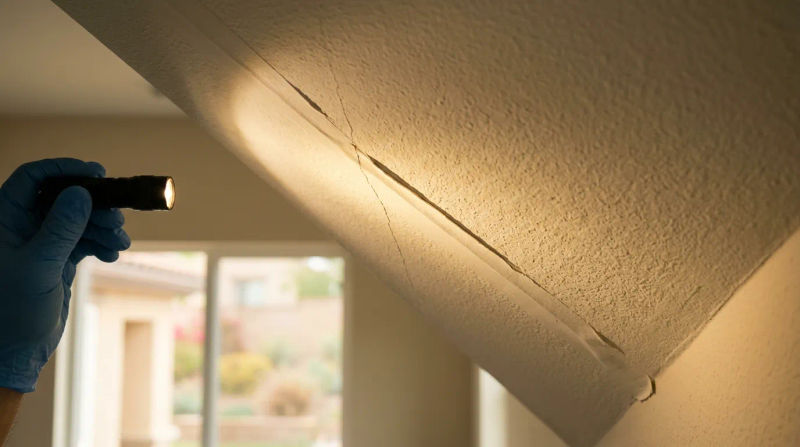
As a Senior Restoration & Drywall Specialist with over a dozen years of experience, I’ve seen how seasonal shifts can reveal hidden issues within a home. Here in Escondido, as the long, dry summer gives way to the cooler, damper evenings of fall, you might start noticing subtle changes in your walls and ceilings. You’re relaxing in your living room and the low evening light catches an imperfection you hadn’t seen before - a faint line or a slight bubble along a seam. It’s a common story, especially as the first October rains bring a welcome dose of humidity back into the air.
These seemingly minor flaws are often the first drywall seam separation signs. While easy to ignore, they can be early warnings of more significant issues. Understanding what to look for can help you address a small problem before it requires a major repair.
Common Signs and Symptoms
Drywall seams are the joints between individual drywall panels, covered with paper or mesh tape and layers of joint compound to create a smooth, monolithic surface. When these seams fail, the signs are usually subtle at first but become more obvious over time. Here are seven common indicators of drywall seam lifting to watch for this fall.
- Visible Tape Lines: The most straightforward sign is when you can clearly see the outline of the drywall tape through the paint. It may look like a straight, faint ridge or the edges of the tape may appear as distinct lines.
- Bubbles or Blisters: This is one of the most frequent issues we encounter. You may notice small, localized bubbles or long, meandering blisters running along a seam. These are classic drywall tape bubbles Escondido homeowners often find on walls or ceilings, indicating the tape has lost its adhesion to the wall.
- Hairline Cracks Along Seams: Look for fine, straight cracks that appear precisely where two drywall sheets meet. These are not random stress cracks; their perfect alignment with a joint is a tell-tale sign of seam failure. These wall joint crack lines fall humidity can exacerbate as moisture levels change.
- Ridges or Humps: If the joint compound beneath the tape begins to crack or crumble, it can push the tape outward, creating a noticeable hump or ridge along the seam. This is different from a simple bubble and suggests a deeper failure in the joint compound itself.
- Peeling or Flaking Paint: The integrity of your paint job depends on the stability of the surface beneath it. When drywall tape lifts, it creates a weak spot, often causing the paint directly over the seam to peel, flake, or chip away.
- A Hollow Sound: Gently tap your knuckle along a drywall seam. Then, tap a few inches away on the solid part of the wall. If the seam sounds more hollow or papery, it’s a good indication there's a void behind the tape where it has separated from the drywall.
- Shadowing Effects: In certain lighting, especially from lamps or low-angle sunlight, a failing seam can cast a subtle shadow. This happens because the lifting tape creates a tiny ridge that breaks the flat plane of the wall, making the joint visible.
What Causes This Problem
Understanding why drywall seams fail can help you identify the root cause. While a single issue can be the culprit, it’s often a combination of factors, especially in homes with a few decades of history.
- Moisture and Humidity: This is the primary seasonal trigger. Drywall tape and joint compound are porous. When the fall humidity arrives in Escondido, these materials can absorb ambient moisture, causing them to swell slightly. As they dry out again, they contract, and this repeated movement can break the adhesive bond, leading to bubbles and lifting.
- House Settling and Structural Movement: Every home settles over time. This natural movement places stress on the rigid structure of the walls. Many homes in the Escondido area were built in the 1980s, an era known for tract homes with vaulted ceilings and more complex rooflines. These architectural features, while visually appealing, create numerous non-standard joints and angles that are particularly susceptible to stress from settling, leading to seam separation.
- Improper Installation: The durability of a drywall seam is almost entirely dependent on the quality of the initial installation. If the installer didn't use enough joint compound under the tape, it creates a weak bond from day one. Applying tape to a dusty or dirty surface can also prevent proper adhesion. Our trained crews understand that meticulous preparation and applying the correct amount of material are critical steps that cannot be rushed.
- Temperature Fluctuations: The transition from the heat of late summer to cooler fall nights causes materials throughout your home to expand and contract. This thermal movement puts constant, subtle stress on drywall seams, which can eventually lead to failure.
- Vibrations: Minor vibrations from heavy traffic, construction, or even just slamming doors can, over many years, contribute to the weakening of drywall joints.
When to Call a Professional
It can be tempting to try a DIY fix, especially for a small bubble. For a homeowner with the right tools and patience, repairing a single, small blemish is possible. However, achieving an invisible repair that matches your existing wall texture is a skill that takes years to perfect.
You should strongly consider calling an experienced professional when you encounter any of the following situations:
- Widespread Issues: If you see drywall seam lifting on multiple seams or in several rooms, it may point to a systemic issue, like high indoor humidity or significant structural settling, that needs an expert diagnosis.
- Long Cracks or Bubbles: Any failure longer than a foot is difficult to repair seamlessly without professional tools and techniques. Simply mudding over a long crack is a temporary fix; the crack will almost certainly return.
- Repetitive Failures: If you’ve attempted a DIY repair and the bubble or crack comes back, it means the underlying cause wasn't addressed. A professional will remove the failing tape entirely and re-tape the joint correctly.
- Ceiling and High-Wall Repairs: Working on ceilings, especially the vaulted ceilings common in 1980s-era homes, is challenging and requires specific equipment. Professionals have the organized workflows and safety protocols to handle these repairs efficiently.
- Signs of Water Damage: If you see any discoloration, staining, or the wall feels soft to the touch, this is more than a simple seam failure. This indicates a water leak that must be addressed first. As a restoration specialist, I can't stress this enough: covering up a moisture problem will only lead to mold and more extensive damage.
Conclusion
The fall season in Escondido brings a change in the environment that can often highlight pre-existing weaknesses in your home's drywall. Paying attention to small signs like faint lines, hairline cracks, and drywall tape bubbles allows you to be proactive. These issues are almost always caused by a combination of moisture, structural movement, and the quality of the original installation.
While it’s tempting to ignore them, these minor flaws rarely get better on their own. Addressing them early on is far simpler and more cost-effective than waiting until an entire seam has failed and requires a complete re-taping and texturing job. A sound, stable wall surface is the foundation of your home's interior beauty.
If you notice any of these signs, contact a local drywall contractor for an inspection. An expert can accurately diagnose the cause and recommend a durable, long-lasting solution.